
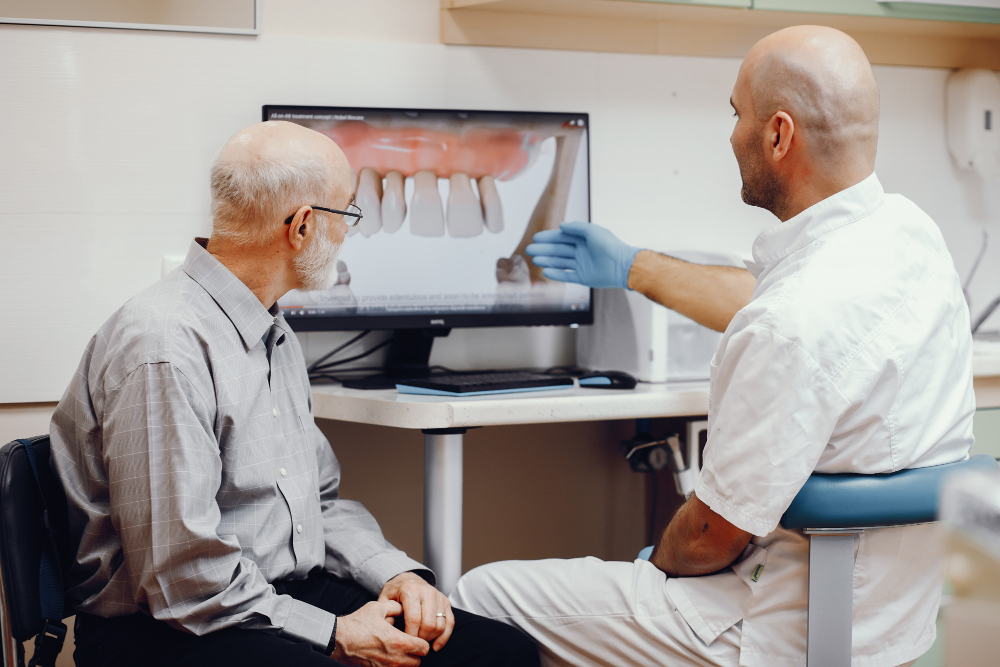
What is FPD (Fixed Partial Denture)?
A fixed partial denture, also called a dental bridge, is a dental device. It replaces one or more missing teeth. Unlike removable dentures, an FPD stays in your mouth. Dentists attach it to the teeth next to the gap. As a result, it helps restore your smile and chewing ability. Many people choose FPD dental treatment for a natural look and feel.
Common Symptoms and When FPD is Needed
Sometimes, missing teeth cause problems. For example, you may notice:
If you have any of these symptoms, you may need a fixed partial denture. Early treatment can prevent more dental issues.
Causes of Tooth Loss Leading to FPD
There are many reasons people lose teeth. Some common causes include:
Because missing teeth can affect your health, dentists often suggest FPD dental treatment to restore function.
Diagnosis and Evaluation for FPD
First, your dentist will check your mouth. They may take X-rays to see the bone and teeth. Next, they will ask about your health and dental history. After that, your dentist will decide if a fixed partial denture is right for you. Sometimes, other treatments may be better. However, most people with healthy gums and nearby teeth can get an FPD.
FPD Procedure: Step-by-Step Overview
The FPD procedure usually takes a few visits. Here is a simple overview:
Because the process is gentle, most people feel only mild discomfort.
Benefits and Potential Risks of FPD
There are many benefits to fixed partial dentures. For example, they:
However, there are some risks. These may include:
Most risks are minor and can be managed with good care. According to the American Dental Association, FPDs are safe and effective for most patients.
Aftercare and Maintenance Tips
Proper care helps your FPD last longer. Here are some tips:
With good care, a fixed partial denture can last many years.
Prevention of Tooth Loss
Although FPD dental treatment helps, it is best to prevent tooth loss. You can protect your teeth by:
Because prevention is easier than treatment, these steps can save your smile.
Frequently Asked Questions about FPD
For more details, ask your dentist or visit trusted sites like the American Dental Association or World Health Organization.
Consult a qualified dentist for personalized advice on fixed partial dentures.